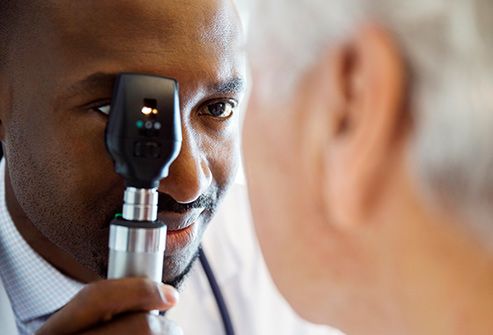
Υπάρχουν μια
σειρά από θεραπείες, φάρμακα, και διαδικασίες που μπορούν να βοηθήσουν τα
συμπτώματα της ξηροφθαλμίας.
Το δακρυϊκό
φιλμ αποτελείται από τρία στρώματα και τα δάκρυα παράγονται κατά κύριο λόγο στο
δακρυϊκό αδένα που βρίσκεται κάτω από το οστό κάτω από τα φρύδια μας.Τα βλέφαρα
μπορεί να θεωρηθούν ως υαλοκαθαριστήρες που επαλείφουν το δακρυϊκό φιλμ
ομοιόμορφα πάνω στην επιφάνεια του οφθαλμού. Τυχόν προβλήματα με τα βλέφαρα
μπορούν να επηρεάσουν το δακρυϊκό φιλμ και να το αποτρέψει από το να
λειτουργήσει σωστά.
Το δακρυϊκό
φιλμ είναι επίσης μια σημαντική επιφάνεια εστίασης για τον οφθαλμό. Κάθε
πρόβλημα που κάνει το δακρυϊκό φιλμ ανώμαλο ή ασταθές, μπορεί να οδηγήσει σε
προβλήματα με την εστίαση. Ένα συχνό παράπονο των ατόμων με σύνδρομο
ξηροφθαλμίας είναι ότι όταν διαβάζουν, η όρασή τους είναι καθαρή στην αρχή,
αλλά μετά την ανάγνωση για 10 ή 20 λεπτά, η όρασή τους γίνεται θολή και δεν
μπορούν πλέον να δουν καθαρά.
Αίτια της ξηροφθαλμίας
Οι άνθρωποι που
ζουν σε ξηρά κλίματα είναι πιο πιθανό να επηρεαστούν από ξηροφθαλμία. Η χαμηλή
υγρασία προκαλεί ταχύτερη εξάτμιση του δακρυϊκού φιλμ από την επιφάνεια του
οφθαλμού. Η σκόνη, η βρωμιά, η μάσκαρα και η ρύπανση μπορούν επίσης να κάνουν
το σύνδρομο ξηροφθαλμίας χειρότερο.
Οι γυναίκες που
έχουν περάσει την εμμηνόπαυση τείνουν να έχουν μειωμένη έκκριση δακρύων.
Ορισμένα φάρμακα μπορούν να προκαλέσουν ξηρότητα στα μάτια, όπως η θεραπεία με
υποκατάστατα ορμονών, τα αντιισταμινικά και ορισμένα αντικαταθλιπτικά.
Θα πρέπει πάντα
να γίνεται έλεγχος από το γιατρό σας πριν διακόψετε οποιοδήποτε
συνταγογραφημένο φάρμακο, ακόμη και αν νομίζετε ότι μπορεί να προκαλέσει
σύνδρομο ξηροφθαλμίας. Συνήθως η αιτία είναι άγνωστη, αλλά μερικές φορές μπορεί
να σχετίζεται με άλλες φλεγμονώδεις καταστάσεις του σώματος.
Οι άνθρωποι των
οποίων τα μάτια δεν κλείνουν εντελώς όταν βλεφαρίζουν, ή που βλεφαρίζουν σπάνια
(για παράδειγμα, οι ασθενείς με νόσο του Parkinson), είναι πιο
επιρρεπείς σε σύνδρομο ξηροφθαλμίας. Οι άνθρωποι που διαβάζουν πολύ ή
εργάζονται στον υπολογιστή πολύ είναι επίσης πιο επιρρεπείς σε σύνδρομο
ξηροφθαλμίας, γιατί όταν διαβάζουμε ή συγκεντρωνόμαστε, βλεφαρίζουμε λιγότερο
συχνά.
Θεραπεία της ξηροφθαλμίας
Υπάρχουν πολλές
διαφορετικές θεραπείες για τη ξηροφθαλμία. Για πολλούς ασθενείς το μόνο που
χρειάζεται είναι η χρήση τεχνητών δακρύων. Άλλα άτομα μπορεί να χρειαστούν
χειρουργική επέμβαση για να διορθώσουν ένα βλέφαρο το οποίο είναι ουλοποιημένο
ή ένα βλέφαρο που δεν κλείνει σωστά.
Τα τεχνητά
δάκρυα μπορείτε να τα πάρετε από οποιοδήποτε φαρμακείο και δεν χρειάζονται
ιατρική συνταγή. Υπάρχουν πολλές διαφορετικές μάρκες και είδη των τεχνητών
δακρύων. Οι περισσότεροι άνθρωποι πρέπει να πειραματιστούν με διαφορετικά
δάκρυα μέχρι να βρουν αυτό που λειτουργεί γι’ αυτούς. Μερικά δάκρυα είναι πιο
παχύρευστα από ό, τι άλλα. Μερικοί ασθενείς προτιμούν πιο παχύρευστα δάκρυα
γιατί διαρκούν περισσότερο. Άλλοι άνθρωποι δεν συμπαθούν τα πιο παχύρευστα
δάκρυα επειδή προς στιγμήν θολώνουν την όρασή τους. Για τους ασθενείς που
χρειάζεται να χρησιμοποιήσουν τεχνητά δάκρυα συχνά, οι γιατροί προτείνουν μερικές φορές διαλύματα τεχνητών δακρύων
χωρίς συντηρητικά.
Εάν τα
συμπτώματα είναι ακόμη δυσχερή έχοντας δοκιμάσει διάφορες συνταγές, φράζοντας
το δακρυϊκό σημείο με βύσματα μπορεί να είναι πολύ χρήσιμα. Αυτά μπορεί να
είναι προσωρινά ή μόνιμα. Η χειρουργική επέμβαση είναι απαραίτητη μόνο εάν οι
ασθενείς έχουν ένα ουλοποιημένο βλέφαρο, αν οι ασθενείς έχουν βλέφαρα που δεν
κλείνουν εντελώς, ή αν οι ασθενείς έχουν ένα βλέφαρο που δεν είναι σε σωστή
θέση.
Η ξηροφθαλμία
είναι συχνά μέρος μιας φλεγμονής των βλεφαρίδων (βλεφαρίτιδα) και η θεραπεία
γι’ αυτό θα πρέπει να είναι σε συνδυασμό με τις οφθαλμικές σταγόνες για την
ξηροφθαλμία σας.

If Your Eyes Are Dry …
You might feel like you have sand in your eyes, or they might burn or itch. You might be sensitive to light, have blurry vision, or, in some cases, your eyes might water. And you may have a tough time wearing contact lenses.
Your Eyes Need Moisture
This helps them work the way they’re supposed to and keeps them comfortable. Your body normally makes moisture for your eyes, but when you can’t -- or it’s not good quality -- that can make your eyes hurt and affect your eyesight.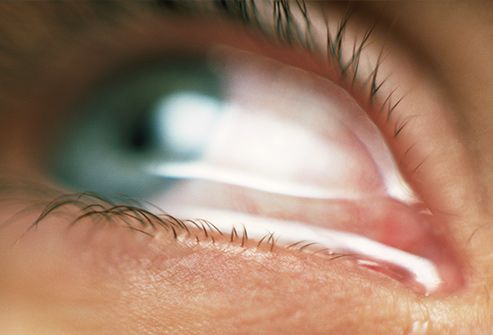
What Your Tears Do
They soothe the surface of your eyes and protect them from things like debris and infection. Each time you blink, they go over your eyes, then drain into the inner corners of your eyelids to the back of your nose. If you don’t make enough good-quality tears, your eyes can be dry and irritated.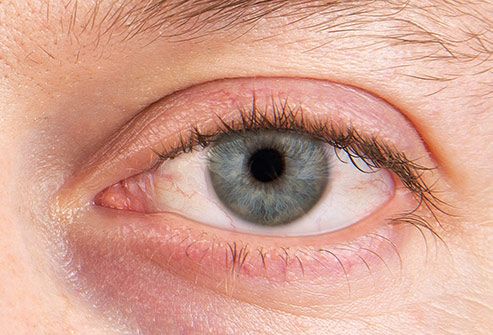
Dry Eye Syndrome
The second most common kind of dry eye happens because your body doesn’t make enough tears. This is called dry eye syndrome, or keratoconjunctivitis sicca (KCS). Many things can cause it. Depending on what that is, it can go away on its own or last a long time.
Possible Cause: Age
The glands that make tears don’t work as well as you age, so you don’t make as many. Also, your eyelids begin to sag, and that can break the seal against your eyeball that helps keep in moisture.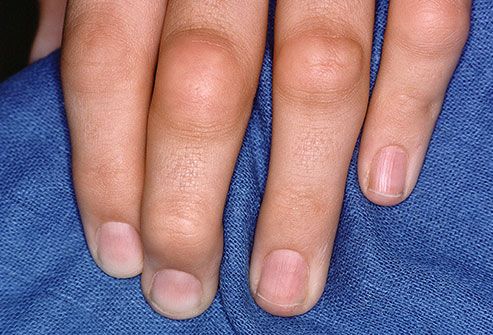
Possible Cause: Certain Illnesses
Autoimmune diseases -- when your immune system attacks parts of your body -- can affect your body’s ability to make tears and cause dry eyes. Examples include lupus and rheumatoid arthritis, as well as Sjogren’s syndrome, which attacks saliva and tear glands.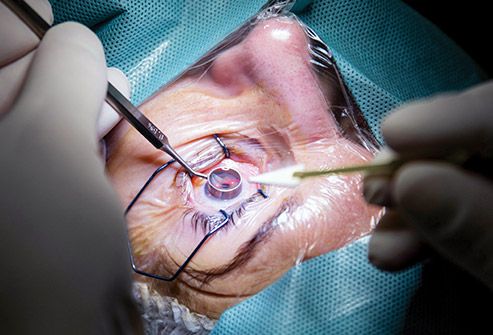
Possible Cause: Eye Surgery
Dry eyes can be a side effect of cataract surgery and LASIK or PRK surgery, which correct vision problems. The nerves that help you make tears can be damaged during these procedures. Talk with your doctor about eyedrops and other things that can help. For most people, it gets better as your eyes recover.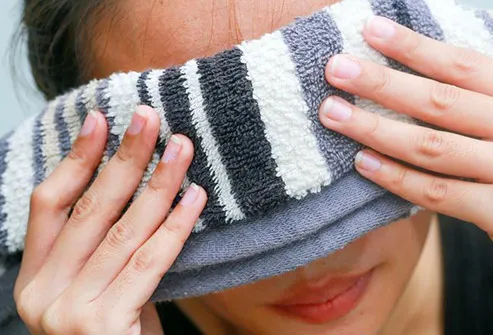
Evaporative Dry Eye
If your tears don’t have enough oil in them, they can evaporate (get absorbed into the air) before your eyes get enough moisture--the most common cause of dry eyes. This often happens when the glands that give your tears their oily texture are blocked. Also called Meibomian gland dysfunction, it’s treated with warm washcloths and lid scrubs that clear away the dead skin, oil, and bacteria that can build up and plug the glands.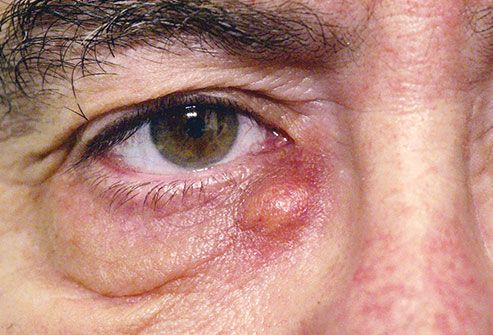
Tear Duct Infection
Also called dacryocystitis, this happens when a tear duct -- the small tube that runs down the length of your nose and connects to your eyelid -- gets blocked and bacteria get in the area. It’s most common in infants, but it can happen at any age. Symptoms include pain, redness, swelling, too many tears, discharge from your eye, and fever. Antibiotics are the most common treatment, but some people need minor surgery to clear it up.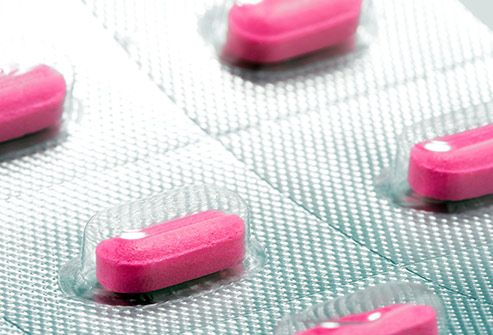
Medications
If you have symptoms of dry eyes and take medication, read the label. Some drugs, such as antihistamines, beta-blockers, and some antidepressants, can affect your tears and dry out your eyes. Talk with your doctor to find out if this is a problem for you.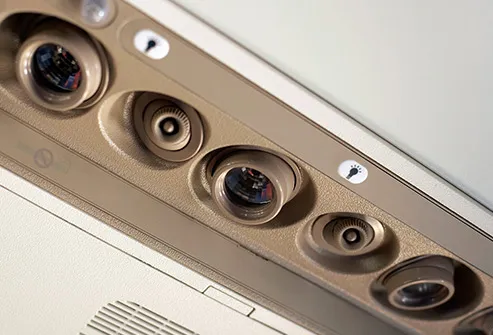
What Can Make It Worse: Low Humidity
If there’s not a lot of moisture in the air -- in a heated or air-conditioned room or in an airplane, for example -- dry eyes can get even more irritated. And a lot of wind can do it, too (that includes riding a bike without protective eyewear).
What Can Make It Worse: Too Much Screen Time
Looking at a computer or phone screen for long periods of time can cause problems because you’re less likely to blink and get moisture over your eyes.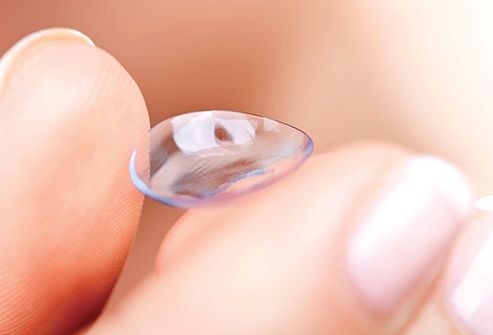
What Can Make It Worse: Contact Lenses
They sit inside the tear film, so when that’s dry, it can make it difficult and uncomfortable -- even impossible -- to wear them. Talk to your doctor if you’re having trouble with your contacts: It may help to change solutions or use lenses made from a different material.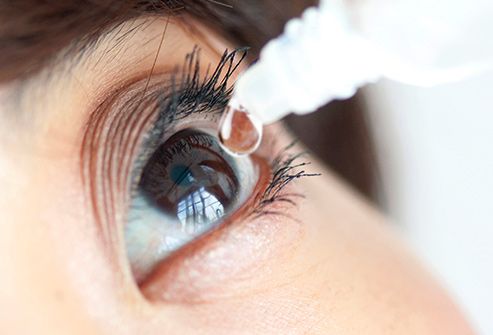
What You Can Do: Artificial Tears
These aren’t the kind your toddler uses when he’s trying to get away with something. These tears come from the drugstore as drops or ointment. Some have a chemical that can stop working if you use them too long, but not all have that. Talk to your doctor about what may work for you.
What You Can Do: Change Your Diet
Among other health benefits, flax oil and flax oil capsules also may help keep your eyes moist.
Prevention
If your eyes are dry, it’s a good idea to stay away from some things that can irritate them, like hair dryers, air conditioning, wind, smoke, and some chemicals. Use a humidifier, and take regular breaks if you spend long hours at a computer. During sports or outdoor activities, use swim or ski goggles or other protective eyewear that helps you keep moisture around your eyes.