Τρίτη 21 Ιουλίου 2020

Τι είναι ψωριασική αρθρίτιδα; -What Is Psoriatic Arthritis?


Τι είναι ψωριασική αρθρίτιδα;

Είναι αρθρίτιδα, δηλαδή φλεγμονή στις αρθρώσεις. Εκδηλώνεται με πόνο, συχνά διόγκωση των αρθρώσεων, και δυσκαμψία (πιάσιμο) το πρωί. Οι αρθρώσεις που προσβάλλονται είναι των χερών, γόνατα και τα δάκτυλα των ποδιών. Μερικές φορές προσβάλλεται η σπονδυλική στήλη με πόνο στον αυχένα και τη μέση, και μπορεί να διογκωθεί ολόκληρο δάκτυλο, πράγμα που ονομάζεται δακτυλίτιδα . Μάλιστα η δακτυλίτιδα είναι τόσο χαρακτηριστική εκδήλωση, που βλέποντάς την ο ρευματολόγος καταλαβαίνει ότι ο ασθενής έχει ψωριασική αρθρίτιδα.
Ποια άτομα έχουν ψωριασική αρθρίτιδα;
Ψωριασική αρθρίτιδα έχουν τα άτομα με ψωρίαση. Ψωρίαση είναι συχνή πάθηση και 2-4 άτομα στα 100 έχουν την πάθηση. Η αρθρίτιδα συνήθως εμφανίζεται μήνες ή χρόνια μετά την ψωρίαση αλλά μερικές φορές εμφανίζεται πριν την ψωρίαση.  Η ψωριασική αρθρίτιδα εμφανίζεται σε 10% έως 40% των ατόμων με ψωρίαση.
Τι σχέση έχει η αρθρίτιδα με την ψωρίαση;
Η ψωρίαση με την ψωριασική αρθρίτιδα έχουν πολλά κοινά γνωρίσματα, μεταξύ αυτών και κοινούς μηχανισμούς παθογένειας, και, όπως είπαμε, αρκετά άτομα με ψωρίαση εμφανίζουν ψωριασική αρθρίτιδα. Σε ποντίκια, έχει φανεί ότι η χορήγηση μιας ουσίας από το περιβάλλον προκαλεί την ανάπτυξη και ψωρίασης και αρθρίτιδας. Τέλος, τα ίδια βιολογικά φάρμακα θεραπεύουν και την ψωρίαση και την αρθρίτιδα. Για τους λόγους αυτούς ψωρίαση και ψωριασική αρθρίτιδα θεωρούνται ως μια νόσος, η ψωριασική νόσος.
Είναι αυτοάνοση πάθηση η ψωριασική αρθρίτιδα;
Αυτοάνοση νόσος είναι εκείνη που πρικαλειται όταν το ανοσοποιητικό σύστημα στρέφεται κατά του εαυτού μας. Αυτό γίνεται μέσω δυο ειδών κυττάρων του ανοσοποιητικού συστήματος, των Τ λεμφοκυττάρων και των Β λεμφοκυττάρων. Είναι δύσκολο να δούμε εάν τα Τ λεμφοκύτταρα στρέφονται κατά του εαυτού μας, αλλά εύκολο να δούμε εάν τα Β λεμφοκύτταρα στρέφονται κατά του εαυτού μας γιατί τα τελευταία παράγουν αυτοαντισώματα. Τα τελευταία 2 χρόνια έχουν βρεθεί αυτοαντισώματα στην ψωριασική αρθρίτιδα και πιθανολογούμε ότι ψωρίαση και ψωριασική αρθρίτιδα μπορεί να είναι αυτοάνοσες παθήσεις.

Είναι κληρονομική πάθηση η ψωριασική αρθρίτιδα;
Η ψωρίαση κατά μεγάλο μέρος οφείλεται σε κληρονομικότητα όταν εμφανίζεται πριν την ηλικία των 40 ετών. Μάλιστα όσο πιο νωρίς σε ηλικία εμφανίζεται η ψωρίαση τόσο πιο μεγάλη η κληρονομικότητα (τα γονίδια που κληρονομούμε από τους γονείς μας).
Έχει η ψωριασική αρθρίτιδα άλλα συμπτώματα εκτός από την αρθρίτιδα;
Εκτός από τις βλάβες του δέρματος, η ψωριασική αρθρίτιδα μπορεί να έχει και φλεγμονή στα μάτια, που εκδηλώνεται με πόνο και ερυθρότητα ή με μείωση της όρασης σε ένα ή και στα δυο μάτια.
Έχει μακροχρόνιες συνέπειες η ψωριασική αρθριτιδα;
Η φλεγμονή στην άρθρωση προκαλεί πόνο και περιορισμό της λειτουργίας της, που επανέρχονται στο φυσιολογικό όταν υποχωρεί η φλεγμονή. Όταν όμως η φλεγμονή παραμένει για μεγάλο χρονικό διάστημα προκαλεί βλάβη στα οστά της άρθρωσης και ο περιορισμός της λειτουργίας της άρθρωσης γίνεται χρόνιος.  Όταν η φλεγμονή στις αρθρώσεις παραμένει για πολλά χρόνια αυτό επηρεάζει και το καρδιαγγειακό σύστημα.   Γι’ αυτό τα άτομα με ψωριασκή αρθρίτιδα καλό είναι να έχουν χαμηλή χοληστερίνη.
Επηρεάζει η διατροφή την ψωριασική αρθρίτιδα;
Είναι γνωστό ότι μερικές τροφές μειώνουν τη φλεγμονή των αρθρώσεων, όπως λιπαρά ψάρια, όπως, ο γαύρος, η σαρδέλα, το χέλι, η πέστροφα και άλλα.  Μερικά καρυκεύματα, όπως ο κουρκουμάς, επίσης βελτιώνουν τη φλεγμονή.
Υπάρχει θεραπεία αποτελεσματική για την ψωριασική αρθρίτιδα;
Σήμερα υπάρχει αποτελεσματική θεραπεία για την ψωριασική αρθρίτιδα. Εάν η πάθηση δεν ελέγχεται αποτελεσματικά με τα κλασσικά φάρμακα, χορηγούνται τα λεγόμενα βιολογικά φάρμακα. Τ βιολογικά φάρμακα, γίνονται από ζωντανά κύτταρα και όχι από μια χημική αντίδραση και είναι σε μορφή ένεσης. Τα βιολογικά φάρμακα μπορεί να εξαλείψουν όχι μόνο τη φλεγμονή στις αρθρώσεις αλλά και στις αρτηρίες μειώνοντας έτσι τον καρδιαγγειακό κίνδυνο. Όμως, επειδή καταστέλλουν το ανοσοποιητικό σύστημα, αυξάνουν λίγο τον κίνδυνο λοιμώξεων.

SOURCE: Λάζαρος Ι. Σακκάς, MD, ECFMG(USA)< DM, PhD(UK), FRCP(UK), Ομ. Καθηγητής Παθολογίας-Ρευματολογίας, Πανεπιστήμιο Θεσσαλίας, πρώην Διευθυντής της κλινικής Ρευματολογίας και κλινικής Ανοσολογίας, Πανεπιστημιακό Γενικό Νοσοκομείο Λάρισας.

What Is Psoriatic Arthritis?

Psoriatic arthritis is a chronic disease characterized by inflammation of the skin (psoriasis) and joints (arthritis).
Psoriatic arthritis is a type of arthritis (inflammation of the joints) accompanied by inflammation of the skin (psoriasis). Psoriasis itself is a common skin condition characterized by scaly red and white patches on the skin. Psoriatic arthritis usually develops about 5 to 12 years after psoriasis begins.

Who Is at Risk for Psoriatic Arthritis?

American professional golfer, Phil Mickelson, was diagnosed with psoriatic arthritis in 2010.
About 15% of people with psoriasis will develop psoriatic arthritis. It is equally common in men and women, with most people diagnosed between the ages of 30 and 50. The exact cause of psoriatic arthritis is unknown, but it is believed to involve genetics, the environment, and a malfunction of the immune system. About 40% of people with psoriatic arthritis have a family member with psoriasis or arthritis, which suggests a hereditary link.

What Causes Psoriatic Arthritis?

A combination of genetic, immune, and environmental factors is likely involved in psoriatic arthritis.
The exact cause of psoriatic arthritis is unknown, but it is believed to involve genetics, the environment, and a malfunction of the immune system. A genetic marker HLA-B27 is found in more than 50% of psoriatic arthritis patients with spinal inflammation. Other genes common in psoriatic arthritis patients have also been found. Stressors or changes in the immune system may affect the development or progression of the disease. Infectious agents and environmental factors are also being investigated as possible causes.

What Are Psoriatic Arthritis Symptoms and Signs?

In most patients, psoriasis precedes the arthritis by months to years. The arthritis frequently involves the knees, ankles, and joints in the feet.
Most people have psoriasis for years before they develop psoriatic arthritis. Symptoms of psoriatic arthritis include:
  • Swollen, painful, hot, red joints – frequently in the knees, ankles, and feet
  • Swollen fingers or toes that appear like "sausages"
  • Joint stiffness that is worse in the mornings
  • Pitted nails, or nails separating from the nail bed
  • Lower back pain
People may also develop tendinitis (inflammation of the tendons), or costochondritis (inflammation of the chest wall and the cartilage that connects the ribs to the breastbone).

Are There Different Types of Psoriatic Arthritis?

There are five types of psoriatic arthritis, and it is important to know which type you have so that it may be treated properly.
There are five types of psoriatic arthritis, based on the parts of the body that are affected and also the severity of the inflammation. The type of psoriatic arthritis affects how it is treated.
  1. Symmetric psoriatic arthritis
  2. Asymmetric psoriatic arthritis
  3. Distal interphalangeal predominant (DIP)
  4. Spondylitis
  5. Arthritis mutilans
The following slides will review the five types.

Symmetric Psoriatic Arthritis

Symmetric psoriatic arthritis affects the same joints -- usually in multiple matching pairs -- on opposite sides of the body.
Symmetric psoriatic arthritis affects the same joints on both sides of the body, usually in symmetrical pairs, such as both knees or both wrists. It is considered similar to rheumatoid arthritis, and symptoms can range from mild to disabling.

Asymmetric Psoriatic Arthritis

Asymmetric psoriatic arthritis typically involves one to three joints in the body -- large or small -- such as the knee, hip, or one or several fingers.
Asymmetric psoriatic arthritis can affect any joint, but usually not in symmetrical pairs on both sides of the body as in symmetric psoriatic arthritis. It often affects fingers and toes giving them a "sausage-like" appearance. It is usually mild, but can affect some people more severely.

Distal Interphalangeal Predominant (DIP)

Distal interphalangeal predominant psoriatic arthritis involves primarily the small joints in the fingers and toes closest to the nail.
Distal interphalangeal predominant (DIP) psoriatic arthritis is often confused with osteoarthritis and it involves the distal joints in the fingers and toes (the small joints closest to the nail) and may result in changes to the nails.

Spondylitis

Spondylitis affects the spinal column and may cause inflammation and stiffness in the neck, lower back, spinal vertebrae, or sacroiliac region (pelvic area).
Spondylitis is inflammation of the spinal column and it may cause stiffness in the neck, lower back, spinal verebrae, or sacroiliac region (pelvic area). This can make moving around difficult.

Arthritis Mutilans

Arthritis mutilans is a severe, deforming, and destructive form of psoriatic arthritis that primarily affects the small joints in the fingers and toes closest to the nail.
Arthritis mutilans is the least common form of psoriatic arthritis, but the most severe, causing degeneration and deformity. Usually the small joints in the fingers and toes closest to the nail are involved but it can also affect the neck and lower back.

How Is Psoriatic Arthritis Diagnosed?

Psoriatic arthritis is a diagnosis made mainly on clinical grounds, based on a finding of psoriasis and the typical inflammatory arthritis of the spine and/or other joints.
There is not one definitive test to diagnose psoriatic arthritis. It is usually diagnosed by a combination of clinical findings. A doctor asks about your personal medical history and family history of psoriasis or psoriatic arthritis, and performs a physical examination of your joints. X-rays may be done to detect changes in cartilage or bone injury. Blood tests may include sedimentation rate to detect inflammation, rheumatoid factor to exclude rheumatoid arthritis, and tests for the genetic marker HLA-B27, which is found in more than 50% of psoriatic arthritis patients with spinal inflammation. Arthrocentesis (draining fluid from a joint) may be performed.

What Is the Treatment for Psoriatic Arthritis?

Generally, the treatment of arthritis in psoriatic arthritis involves a combination of anti-inflammatory medications (NSAIDs) and exercise.
Treatment for psoriatic arthritis usually involves a combination of anti-inflammatory medications (NSAIDs) and regular exercise, either with a physical therapist or at home. Warm-up stretching or applying heat to muscles before exercise, and ice after exercise can decrease soreness in the joints. If NSAIDs are not sufficient, methotrexate (Rheumatrex, Trexall), corticosteroids, and antimalarial medications may be prescribed.
Patients may need to use devices to protect the joints, and surgery may be indicated in some cases.

Is There a Cure for Psoriatic Arthritis?

While there are drugs that can stop the progression of the disease, there is no cure for psoriatic arthritis.
There is currently no cure for psoriatic arthritis. Medications may be able to help with painful symptoms and slow or stop the progression of the disease. It is important as a patient to learn how your body responds to psoriatic arthritis, and how to use exercise, medications, and other treatments to manage symptoms. Vitamin D may help with the inflammation associated with psoriasis.
Sources: 
MAGES PROVIDED BY:
  1. Medscape Reference
  2. BigStock
  3. 123RF
  4. Medscape Reference
  5. MedicineNet
  6. Medscape Reference
  7. Medscape Reference
  8. Medscape Reference
  9. WebMD
    MedicineNet
  10. Medscape Reference
  11. iStockPhoto
  12. BigStock
    123RF
  13. iStockPhoto
REFERENCES:

Σάββατο 18 Ιουλίου 2020

Σχέδιο εμβολιαστικής κάλυψης του Υπουργείου Υγείας για παιδιά και εφήβους σε περιβάλλον ΓεΣΥ


--Αγαπητοί Φίλοι διαβάστε το με προσοχή προς αποφυγή παρεξηγήσεων αλλά κυρίως για την έγκαιρη προσέλευση σας για εμβολιασμούς !--Δρ. Ν. Κονναρής
Το Υπουργείο Υγείας προμηθεύει τους Προσωπικούς Ιατρούς παιδιών συμβεβλημένους με το ΓεΣΥ, με τα εμβόλια που αφορούν τον δωρεάν εμβολιασμό δικαιούχων
Πίνακας 1 Εμβολιαστικό Σχήμα.
Στον Πίνακα 2 αναφέρονται τα εμπορικά ονόματα των εμβολίων που
αφορούν τον δωρεάν εμβολιασμό δικαιούχων καθώς και το ηλικιακό όριο κατά το οποίο το παιδί είναι δικαιούχος δωρεάν εμβολιασμού (συμπεριλαμβανομένων και έξι μηνών λόγω καθυστέρησης προσέλευσης για εμβολιασμό).
Σημειώνεται ότι σε περίπτωση που ο εμβολιασμός γίνεται
α) σε παιδιά που δεν εμπίπτουν στο ηλικιακό όριο που αναγράφεται στον Πίνακα 2,
β) για ασθένειες που δεν εμπίπτουν στο αναθεωρημένο εμβολιαστικό σχήμα,
γ) με εμβόλια, τα εμπορικά ονόματα των οποίων δεν αναφέρονται στον Πίνακα 2,
δ) με εμβόλια που αγοράστηκαν από τον παιδίατρο για να καλύψουν τυχόν ελλείψεις*,
τότε η χορήγηση του εμβολίου γίνεται με ιδιωτική χρέωση.

*Σε περιπτώσεις ελλείψεων οι παιδίατροι δύνανται να παραπέμπουν τους γονείς/κηδεμόνες για εμβολιασμό στα Κέντρα Μητρότητας και παιδιού.
17 Ιουλίου 2020
ΟΡΓΑΝΙΣΜΟΣ ΑΣΦΑΛΙΣΗΣ ΥΓΕΙΑΣ


ΠΙΝΑΚΑΣ1

Τετάρτη 15 Ιουλίου 2020

What Causes Heart Palpitations?-"Φτερούγισμα" στην καρδιά: Τι το προκαλεί


 Έχετε αισθανθεί ποτέ την καρδιά σας να φτερουγίζει; 

Το σύμπτωμα αυτό περιγράφεται από τους γιατρούς με τον όρο «αίσθημα παλμών» και επί της ουσίας προκύπτει, όταν ο καρδιακός παλμός γίνεται αισθητός.

Μπορεί να νιώθετε την καρδιά σας να χτυπάει γρήγορα ή άρρυθμα ή να νιώθετε ότι χάνετε κάποιους χτύπους. Πολλοί, μάλιστα, το περιγράφουν ως φτερούγισμα, το οποίο το αισθάνονται στο στήθος και λαιμό.
Πότε όμως θα πρέπει να ανησυχήσετε και τι πρέπει να κάνετε;
Σύμφωνα με τους ειδικούς, το «φτερούγισμα» αποτελεί συχνό σύμπτωμα σε μεγάλο αριθμό ατόμων και δεν θα πρέπει εξαρχής να συνδέεται με την αρρυθμία, παρά το γεγονός ωστόσο ότι και οι δύο καταστάσεις σχετίζονται μεταξύ τους.
Αυτό σημαίνει ότι, αν κάποιος έχει αίσθημα παλμών, αλλά η καρδιά του έχει φυσιολογικό ρυθμό, δεν συντρέχει κανένας απολύτως λόγος ανησυχίας.

Το αίσθημα παλμών με φυσιολογικό ρυθμό μπορεί να οφείλεται σε:

- Άγχος, κρίσεις πανικού, φόβο
- Καφεΐνη
- Κάπνισμα
- Άσκηση
- Πυρετό
- Κοκαΐνη και άλλα ναρκωτικά
Αντίθετα, όταν το σύμπτωμα της αίσθησης παλμών συνοδεύεται από αρρυθμία, τότε είναι ανησυχητικό και απαιτεί διερεύνηση, καθώς μπορεί να συνυπάρχει με βαλβιδοπάθεια, παθήσεις του θυρεοειδούς αδένα ή διαταραχές των ηλεκτρολυτών στο αίμα.
Σπάνια το αίσθημα παλμών μπορεί να προκαλείται από απειλητικές αρρυθμίες, οι οποίες προκαλούν την παύση της λειτουργίας της καρδιάς.
Στις περιπτώσεις αυτές, οι επιπλοκές μπορεί να είναι απειλητικές για την υγεία, ενώ, αν το φτερούγισμα οφείλεται σε κολπική μαρμαρυγή, είναι δυνατόν να σχηματιστούν θρόμβοι στο αίμα, οι οποίοι στη συνέχεια μπορεί να φράξουν μία αρτηρία του εγκεφάλου, προκαλώντας εγκεφαλικό επεισόδιο.
Τι πρέπει να κάνετε
Σε περίπτωση που έχετε συχνά αίσθημα παλμών που υποψιάζεστε ότι συνοδεύεται από αρρυθμίες, τότε καλό είναι να επισκεφθείτε το συντομότερο δυνατό έναν καρδιολόγο.
Οι εξετάσεις που είναι απαραίτητες για τη διερεύνηση του αισθήματος παλμών είναι το καρδιογράφημα, το Holter ρυθμού 24ωρου,  η δοκιμασία κόπωσης, ενώ σε ορισμένες περιπτώσεις μπορεί να χρειαστεί περαιτέρω μελέτη και αυτό θα το κρίνει ο γιατρός σας .


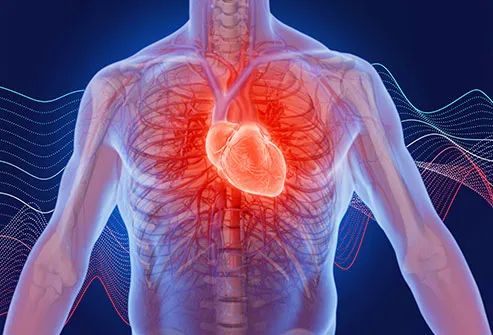
heart palpitation anatomy concept

What It Feels Like

Your heart pounds, flutters, or seems to skip beats. You might call these feelings palpitations. Although they can feel scary, most aren't serious and rarely need treatment. Knowing what makes your heart race can help you not panic when it happens and know when to call your doctor.
fraying rope close up

Stress and Anxiety

Intense emotions can trigger the release of hormones that speed up your heartbeat. Your body gets ready to face a threat, even if you're not in danger. Panic attacks are intense bouts of fear that can last a few minutes. Symptoms include a racing heart, sweating, chills, trouble breathing, and chest pain. A panic attack can feel like a heart attack. If you're not sure which one you're having, get medical help.
women riding stationary bikes

Exercise

Working out is good for you. And a brisk run or intense indoor cycling class will naturally make your heart beat faster. That helps your heart pump more blood to power your muscles through the workout. If your heart flutters or pounds, it could be because you haven't worked out in a while and you're out of condition. An irregular heartbeat, or arrhythmia, can also cause palpitations when you exercise.
woman drinking coffee

Caffeine

Does your heart beat faster after your morning latte? Caffeine is a stimulant that raises your heart rate, whehther you get it from coffee, soda, an energy drink, tea, chocolate, or another source. One study found that caffeine from coffee, tea, and chocolate isn’t likely to cause palpitations in people with healthy hearts. But experts don't know whether it might trigger them in people with heart rhythm problems.
man smoking cigarette

Nicotine

The addictive chemical in cigarettes and other tobacco products, nicotine raises your blood pressure and speeds up your heart rate. Quitting smoking is one of the best things you can do for your heart, though it might not slow your heartbeat right away. Patches and other nicotine replacement products can make your heart race. Palpitations can also be a symptom of nicotine withdrawal, but they should stop within 3 to 4 weeks after you quit.
pregnant woman reading book on sofa

Hormone Changes

Women might notice that their heartbeat speeds up when they have their period, they're pregnant, they’re close to menopause, or they're in menopause. The reason: hormone levels. The boost in heart rate is usually temporary and no reason for worry. If you're pregnant, palpitations can also happen if you're anemic, which means you don’t have enough red blood cells that carry oxygen throughout your body. 
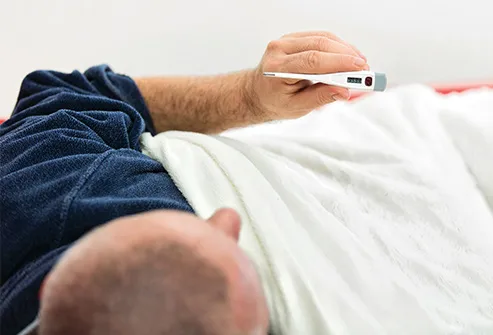
man in bed reading digital thermometer

Fever

When you have a fever during an illness, your body uses energy at a faster pace than usual. This can set off palpitations. Usually your temperature needs to be above 100.4 F to affect your heart rate.
woman holding pills and glass of water

Medicines

Some prescription and over-the-counter medicines cause palpitations as a side effect, including:
  • Antibiotics
  • Antifungal medicines
  • Antipsychotic drugs
  • Asthma inhalers
  • Cough and cold medicines
  • Diet pills
  • High blood pressure medicines
  • Thyroid pills
If you take one or more of these types of meds, ask your doctor if it could affect your heartbeat. Don't skip any doses before you check with your doctor.
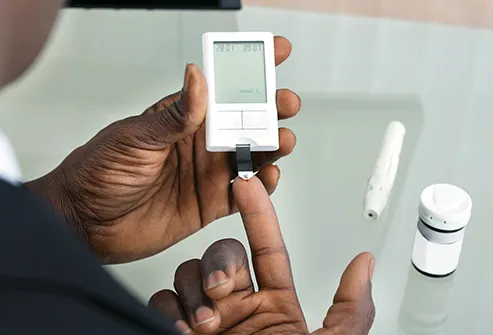
man checking blood glucose

Low Blood Sugar

Have you ever noticed that you feel shaky, cranky, and weak when you've skipped a meal? It can also lead to palpitations. When your blood sugar level drops, your body releases stress hormones like adrenaline to prepare for an emergency food shortage. Adrenaline speeds up your heart rate.
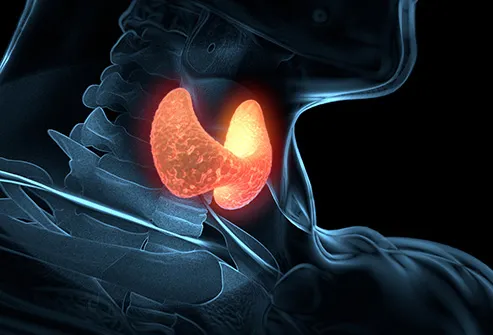
thyroid gland anatomy

Overactive Thyroid Gland

Your thyroid is a butterfly-shaped gland in your neck. It makes hormones that help manage your metabolism and other things. An overactive thyroid (called hyperthyroidism) can make too much thyroid hormone. That can speed up your heart so much that you feel it beating in your chest. Taking too much thyroid hormone to treat an underactive thyroid gland (called hypothyroidism) can also rev up your heartbeat.
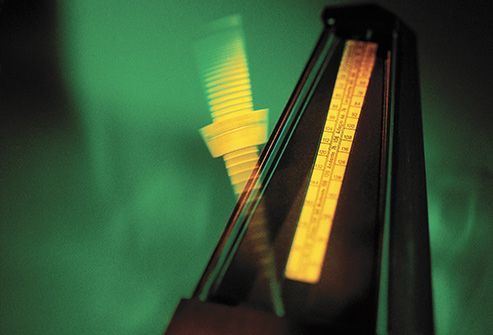
metronome in motion

Heart Rhythm Problems

Sometimes an irregular heart rhythm, called an arrhythmia, causes palpitations.
  • Atrial fibrillation, or AFib, happens when the heart's upper chambers, called the atria, flutter instead of beating normally.
  • Supraventricular tachycardia is an abnormally fast heartbeat that starts in the heart's upper chambers.
  • Ventricular tachycardia is a fast heart rate due to faulty signals in the heart's lower pumping chambers, called the ventricles.
glasses of wine during holidays

Alcohol

If you drink a lot, or just have more than usual, you might feel your heart beating faster or fluttering. It often happens on holidays or weekends, when people drink more, earning it the nickname of "holiday heart syndrome.” But for some people, it can happen even when they only drink a little bit.
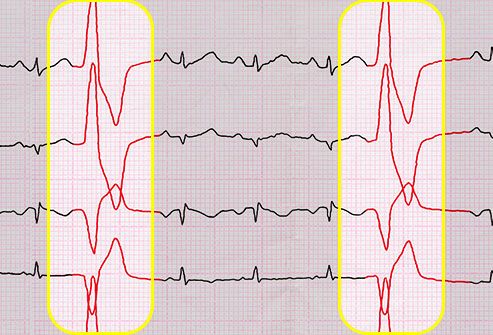
premature ventricular contractions

Premature Ventricular Contractions

Premature ventricular contractions (PVCs) are extra heartbeats. They happen when your heart's ventricles squeeze too soon. The extra beat throws off your heart's normal rhythm and makes it flutter, pound, or jump in your chest. If your heart is healthy, occasional PVCs are nothing to worry about. But you might need treatment if you have heart disease and you get these extra beats often.
cutting lines of cocaine with razor blade

Cocaine and Other Street Drugs

Illegal drugs like amphetamines, cocaine, and ecstasy are dangerous to the heart. Cocaine boosts blood pressure, raises heart rate, and damages the heart muscle. Amphetamines stimulate the nervous system, which ramps up your heartbeat. Ecstasy triggers the release of a chemical called norepinephrine, which makes the heart beat faster.
doctor checking womans heartbeat

When to See a Doctor

If you're healthy, you probably don't need to worry about palpitations that happen once in a while and last only a few seconds. But make a doctor's appointment if they come more often or you also have symptoms like these:
  • Chest pain or pressure
  • Shortness of breath
  • Dizziness
  • Fainting
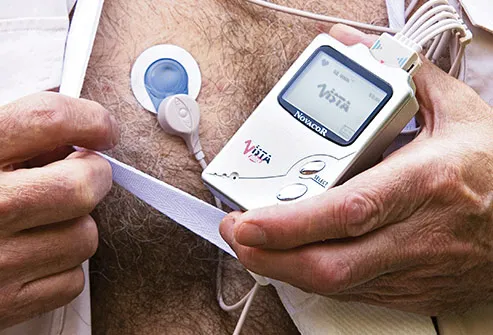
holter monitor

Finding the Cause

These tests can help your doctor figrue out what's going on:
  • Electrocardiogram (ECG). This test looks for problems with the electrical signals that control your heart rhythm.
  • Holter monitor. You wear this portable ECG for 24 to 72 hours at a time. It can find heart rhythm problems and any patterns that might need more tests.
  • Event Monitor. You wear this device for several weeks. It records your heart rhythm when you press a button while having symptoms.
  • Echocardiogram. This test uses sound waves to make pictures of your heart. It can find problems with your heart's structure.
SOURCES : WebMD ,  AHA  etc.